
What Is a Subluxation?
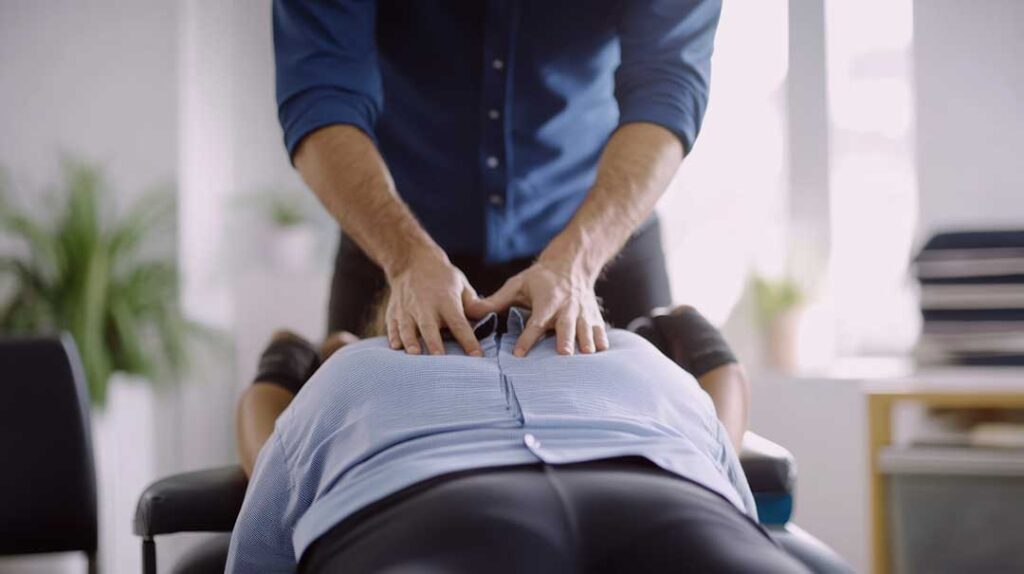
A subluxation refers to a partial misalignment or movement within a joint, most commonly discussed in relation to the spine. Unlike a full dislocation, where bones are entirely out of place, a subluxation involves subtle shifts that can affect how a joint moves and functions. In everyday language, it’s often described as a vertebra that isn’t quite sitting or moving the way it should.
Within chiropractic, the term typically means a spinal joint that has lost its normal position or motion, potentially leading to discomfort or changes in how nerves function. While the focus is usually on the spine, subluxations can technically occur in other joints too.
Why Do Subluxations Matter to Residents of Mount Pleasant, NY?
A subluxation might not sound dramatic, but even a small misalignment can influence everyday well-being for people living in Mount Pleasant. Changes in joint positioning can lead to stiffness, aches, or compensatory movements, making everything from yard work to shoveling snow in winter less comfortable.
In areas like Mount Pleasant, where outdoor activities shift with the seasons, and homes often have stairs, driveways, and uneven walkways, minor joint issues may add up over time. Residents might attribute symptoms like headaches, neck stiffness, or low back soreness to aging or weather, without realizing a subluxation could be part of the picture.
How Can Subluxations Affect Daily Life?
Subluxations can impact life in various ways, depending on their location and severity. After a long day caring for a yard or commuting on local roads with stop-and-go traffic, a joint out of alignment might manifest as:
- Stiff neck after looking down at devices or reading for extended periods
- Reduced ability to turn or bend, affecting tasks like gardening or lifting boxes
- Periodic headaches that seem worse at certain times of day
- Back discomfort after snow removal or repetitive household chores
Not everyone with a subluxation feels significant pain, and some residents may only notice that certain movements feel “off.” Limited joint motion or low-level discomfort over months may go unrecognized until it interferes with hobbies, sleep, or seasonal routines.
What Causes Subluxations in Community Settings?
Everyday life in Mount Pleasant presents a range of scenarios that can lead to joint misalignments, including:
- Slips, trips, or falls during icy winters
- Lifting heavy outdoor planters, groceries, or recycling bins
- Poor posture during remote work or while using devices at home
- Repetitive movements in sports, gardening, or child care
- Stress, which may lead to muscle tension and altered movement
Children, adults, and older residents can all experience subluxations, though the causes may differ—from playground tumbles to lingering effects from old injuries.
Do Subluxations Always Cause Symptoms?
Most subluxations don’t cause immediate, obvious pain. The body often adapts, leading to compensation in how nearby muscles and joints work. Over time, these small changes can create patterns of tension, fatigue, or stiffness.
Sometimes, residents may notice a gradual loss of flexibility, or a familiar “tight spot” after raking leaves or returning from a long walk. Other times, a particular movement—like getting out of the car—may suddenly trigger discomfort that seems out of proportion to the action. Local seasonal factors, like shoveling snow or adjusting to damp, chilly weather, may bring underlying issues to the surface.
Common misconceptions include:
- Only severe injuries can cause subluxations—minor repetitive actions are often enough
- If there’s no pain, there’s no issue—restricted movement or mild stiffness may be signs
- Children and teenagers can’t be affected—falls and sports mishaps make them susceptible too
How Do Residents Distinguish a Subluxation from Other Joint Problems?
It can be hard for area residents to tell a subluxation apart from other sources of joint discomfort, such as sprains or general muscle tightness. Subluxations tend to cause:
- A persistent sense of restriction in a motion, even after stretching
- Local tenderness along the spine or around a joint
- Brief relief with certain positions, followed by a return of tightness
- Occasional “popping” or changes in mobility, especially with activity
Symptoms that persist or worsen with activity, and those accompanied by swelling, bruising, or numbness, may indicate a more significant problem and should be evaluated with extra care.
Can Subluxations Improve on Their Own?
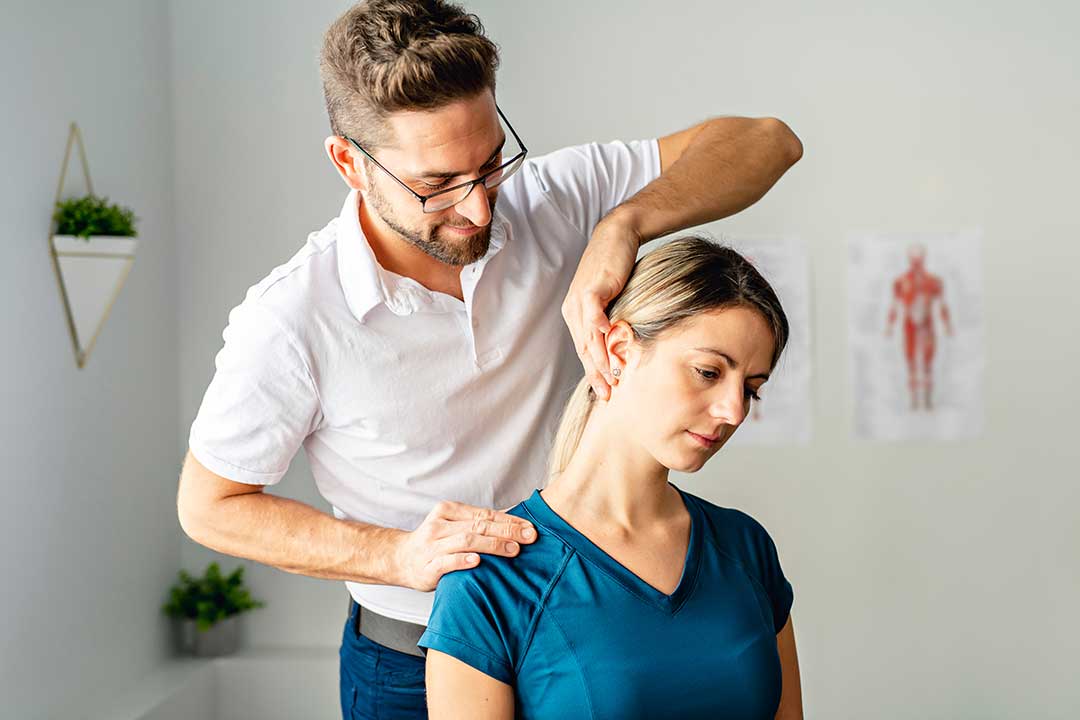
Minor subluxations may resolve naturally as inflammation decreases and muscles adjust. For many locals, changes in routine—such as getting more rest, stretching, and improving posture—may help relieve mild symptoms. However, longstanding misalignments can keep recurring, especially if daily habits or old injuries aren’t addressed.
Residents can often support joint health by:
- Using proper lifting techniques during home or yard projects
- Taking breaks from screens and sitting positions throughout the day
- Moving regularly during cold months when outdoor activity levels drop
Small changes in daily routines can sometimes prevent discomfort from becoming a bigger issue.
What Should Mount Pleasant Households Watch for in Children and Older Adults?
Children are active and may experience minor joint misalignments from play, sports, or small falls. Warning signs to look for include:
- Favoring one side during activities
- Reluctance to participate in usual games or movement
- Unexplained episodes of restlessness, especially after activity
Older adults in the community are also at increased risk, particularly those dealing with balance or mobility challenges. Caregivers should notice:
- Sudden decrease in daily activity
- Difficulty rising from chairs or beds
- Changes in walking or household movement
Early recognition and gentle activity adjustments can help residents of all ages maintain comfort and reduce future complications.
What Are Common Misunderstandings About Subluxations?
Several myths persist about what subluxations are and what they mean for health.
- They are always dramatic or painful—in reality, most are subtle and accumulated over time.
- They can only happen during trauma—routine daily actions are more frequent contributors.
- Only adults have to worry—children and teens may be equally affected by active lifestyles.
- “Cracking” or popping a joint always fixes the issue—sounds are not a reliable sign of correction.
Awareness and education can help residents spot early signs of joint issues before they interfere with activities, especially in a community where homes, weather, and daily rhythms present unique movement demands.
