
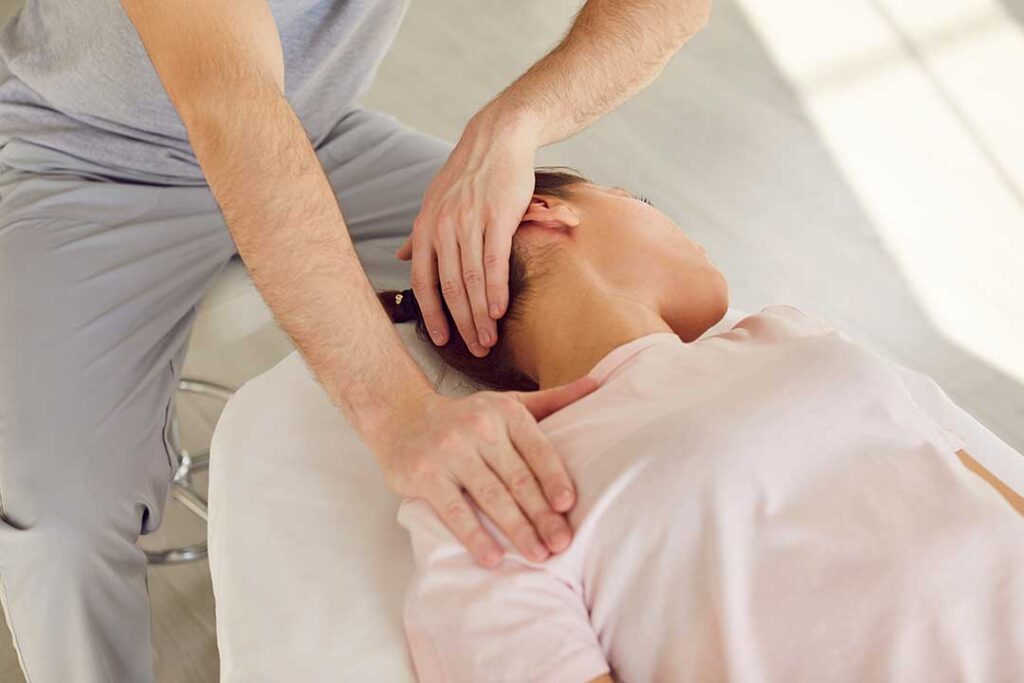
Arthritis can make ordinary activities—walking on uneven ground, climbing stairs, gardening, carrying groceries, or sitting through a long commute—more uncomfortable. Chiropractic care may help some people manage related back, neck, or movement problems, but it works best as part of a broader plan that includes appropriate exercise, joint protection, and medical evaluation when needed.
What can chiropractic care help with?
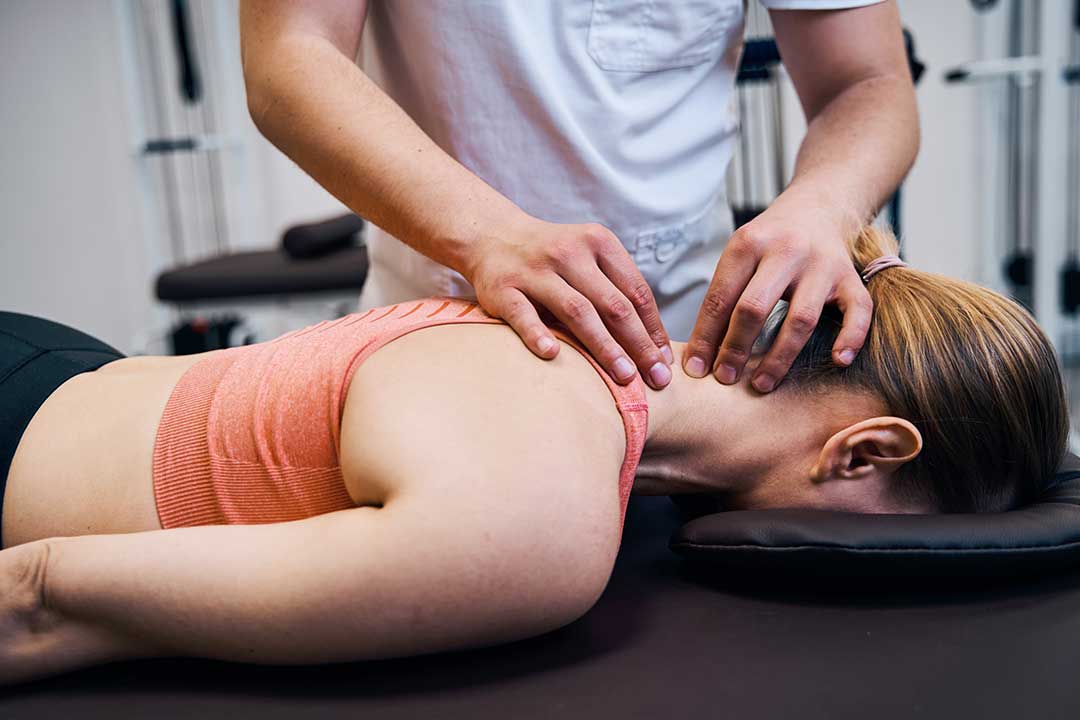
Chiropractic care may help reduce discomfort and improve movement when arthritis affects the spine or when joint stiffness contributes to muscle and movement problems. Treatment may include gentle mobilization, soft-tissue techniques, stretching guidance, posture education, and carefully selected exercises.
Spinal manipulation is different from mobilization. Manipulation uses a controlled thrust, while mobilization moves a joint through a comfortable range without a thrust. The appropriate approach depends on the person’s symptoms, medical history, age, bone health, medications, and the location of the arthritis. ([nccih.nih.gov](https://www.nccih.nih.gov/health/spinal-manipulation-what-you-need-to-know?utm_source=openai))
Chiropractic treatment does not rebuild worn cartilage or reverse arthritis visible on an X-ray. Its potential role is symptom management: helping a person move more comfortably, maintain function, and participate in daily activities or exercise. Evidence is stronger for some forms of back and neck pain than for treating arthritis in every joint. ([nccih.nih.gov](https://www.nccih.nih.gov/health/spinal-manipulation-what-you-need-to-know?utm_source=openai))
Is chiropractic care appropriate for every type of arthritis?
No. “Arthritis” describes more than 100 conditions, and the safest plan depends on the diagnosis.
Osteoarthritis commonly affects the knees, hips, hands, and spine. It often causes pain with activity, stiffness after resting, and occasional swelling. Rheumatoid arthritis, psoriatic arthritis, gout, and other inflammatory conditions can involve immune-system activity, significant swelling, warmth, fatigue, or symptoms beyond the joints.
A hot, visibly swollen joint; unexplained fever; rapidly worsening symptoms; or prolonged morning stiffness should not be treated as ordinary wear-and-tear without medical assessment. People with inflammatory arthritis may need medication and monitoring to control the underlying disease. Chiropractic care, if used, should complement—not replace—that medical care.
How should someone begin safely?
A careful evaluation should come before forceful treatment. Relevant information includes:
- The joints affected and how long symptoms have been present
- Previous fractures, surgery, osteoporosis, or falls
- Numbness, weakness, balance problems, or changes in coordination
- Blood-thinning medication, corticosteroid use, or other medicines
- A history of cancer, infection, inflammatory disease, or significant trauma
People with reduced bone density, certain spinal conditions, or other health risks may not be good candidates for high-velocity manipulation. Mild temporary soreness, stiffness, or a headache can occur after manipulation, but serious complications, while rare, have been reported. A thorough health history and a treatment approach matched to the individual are essential. ([nccih.nih.gov](https://www.nccih.nih.gov/health/spinal-manipulation-what-you-need-to-know?utm_source=openai))
For many older homes and households in Mount Pleasant, seasonal tasks such as shoveling, raking, lifting outdoor equipment, or carrying items up stairs can expose stiff joints to sudden loads. Breaking these tasks into shorter periods, using stable footing, and avoiding twisting while lifting can reduce strain.
What exercises are usually helpful?
Movement is a central part of arthritis management. Regular physical activity can reduce pain, improve function and mood, and help maintain muscle strength around affected joints. The Centers for Disease Control and Prevention recommends a combination of aerobic activity and muscle strengthening, while emphasizing that activity can be divided into short sessions. ([cdc.gov](https://www.cdc.gov/arthritis/prevention/index.html?utm_source=openai))
Useful options may include:
- Walking at a comfortable pace
- Water exercise or swimming
- Stationary cycling
- Light resistance-band exercises
- Tai chi or balance exercises
- Gentle range-of-motion movements
A practical starting point might be five to ten minutes of walking or mobility work, followed by gradual increases if symptoms remain manageable. Strengthening the muscles around the hips, knees, shoulders, or spine can make everyday movement easier, but exercises should be adjusted if they cause sharp pain or worsening swelling.
Some discomfort after beginning a new activity can be normal. However, sharp or constant pain, limping, increasing nighttime pain, substantial swelling, or a joint that becomes hot and red are reasons to stop and seek medical guidance. ([archive.cdc.gov](https://archive.cdc.gov/www_cdc_gov/arthritis/basics/physical-activity/pain.html?utm_source=openai))
How can daily habits protect arthritic joints?
The goal is not complete rest. Too much inactivity can lead to weaker muscles, more stiffness, and reduced confidence with movement. Joint protection means changing how an activity is performed so that the joint is exposed to less unnecessary stress.
Helpful habits include:
- Use a warm shower or brief gentle movement before activity if stiffness is worse in the morning.
- Alternate heavier tasks with lighter ones instead of completing everything at once.
- Use both hands for heavier objects and keep loads close to the body.
- Avoid holding the same position for long periods.
- Choose supportive footwear for walking and outdoor chores.
- Use handrails on stairs and keep walkways clear during icy or wet weather.
- Track which activities trigger symptoms and modify the duration or intensity.
Weight management may also reduce stress on weight-bearing joints. Even modest weight loss can improve pain and disability for adults with overweight or obesity, especially when combined with regular movement and strength training. ([cdc.gov](https://www.cdc.gov/arthritis/osteoarthritis/index.html?utm_source=openai))
Should heat or cold be used?
Either may be useful, depending on the symptom. Heat can make stiff muscles and joints feel more comfortable before movement. Cold may help temporarily reduce soreness after activity or during a flare of swelling. Use a cloth barrier, limit exposure, and avoid placing extreme temperatures directly on the skin.
Heat and cold can reduce symptoms, but neither treats the underlying cause of inflammatory arthritis or replaces a clinical evaluation. People with reduced sensation, circulation problems, or diabetes should take extra care because they may not notice skin injury promptly.
When should arthritis pain be medically evaluated?
Prompt medical attention is appropriate for:
- A newly swollen, hot, or red joint
- Fever or feeling acutely unwell with joint pain
- Sudden weakness, numbness, loss of bladder or bowel control, or difficulty walking
- Pain after a significant fall or collision
- Unexplained weight loss or severe fatigue
- Symptoms that steadily worsen despite rest and reasonable activity changes
For ongoing symptoms, a coordinated plan may include primary medical care, physical therapy, occupational therapy, medication review, and—when appropriate—gentle chiropractic treatment. The most useful plan is the one that improves function while addressing the specific type and severity of arthritis.
Local residents can often make progress by pairing short, consistent movement sessions with safer household mechanics and realistic pacing. Chiropractic care may be one supportive option, but the foundation remains accurate diagnosis, regular joint-friendly activity, and attention to warning signs.
