
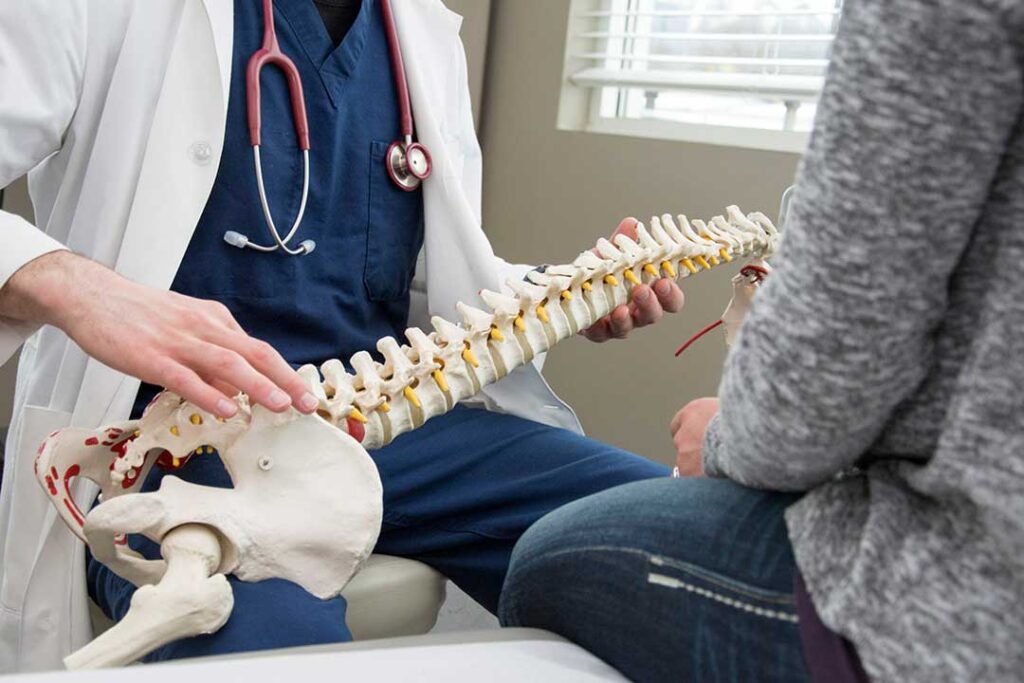
Living with chronic pain can be a daily challenge, but self-care strategies can make a significant difference in improving comfort and quality of life. For those in Mount Pleasant, NY—where the seasons change, the community is tight-knit, and outdoor activities abound—finding personalized, practical ways to manage pain is especially important. Here, we explore realistic self-care tips tailored to Mount Pleasant's local lifestyle and proven approaches to chronic pain relief.
Understanding Chronic Pain
Chronic pain is persistent discomfort that continues for weeks, months, or even years. It can stem from injuries, arthritis, nerve issues, or other underlying health problems. Unlike acute pain, which serves as a warning signal, chronic pain may linger even after the original cause has healed. Addressing it often requires a combination of medical care and daily self-care strategies.
Stay Active—Adapt to the Local Landscape
Mount Pleasant offers beautiful parks, trails, and nature preserves, providing ideal low-impact ways to stay active. Physical activity helps maintain joint mobility, strengthens muscles, and releases endorphins—natural painkillers. If you’re living with chronic pain, gentle movement is key:
- Take leisurely walks at Rockefeller State Park Preserve or along the North County Trailway, adjusting your pace to your comfort level.
- Try community-based group classes like chair yoga or water aerobics at the local recreation center.
- Set daily step goals that are attainable but challenge you to move a bit more each week.
If you’re unsure which activities are safe, consult with your healthcare provider or local chiropractor for personalized guidance.
Embrace Mind-Body Practices
Chronic pain often impacts more than just your physical health; it can affect your mood, energy levels, and quality of sleep. Mind-body techniques help you manage stress and focus your attention away from pain.
- Practice mindful breathing and meditation—particularly useful in the peaceful surroundings of nearby parks or in your own backyard.
- Local groups, such as those meeting at the Mount Pleasant Community Center, may offer meditation, tai chi, or gentle yoga sessions tailored for pain relief.
- Consider guided online resources if you’re more comfortable practicing at home.
Prioritize Sleep Hygiene
A good night’s sleep can make a world of difference for chronic pain sufferers. However, pain can disrupt rest, leading to a cycle that's hard to escape. Establishing good sleep habits is especially important:
- Stick to a consistent bedtime and wake-up time, even on weekends.
- Create a calming evening routine—perhaps a warm bath or reading a favorite book from the Mount Pleasant Public Library.
- Make your bedroom a pain-friendly environment: supportive mattress, gentle lighting, and comfortable pillows.
- Avoid screens, caffeine, and heavy meals close to bedtime.
If sleep difficulties persist, consult your provider about potential solutions.
Use Heat and Cold Therapy
One overlooked self-care technique is the application of heat or cold to painful areas:
- Use a microwavable heat pack or a warm towel to relax tight muscles—perfect for unwinding after a walk around town.
- Apply cold packs from your freezer to reduce joint swelling or numb sharp pain.
- Local pharmacies in Mount Pleasant often stock reusable hot/cold packs if you need a convenient solution.
Always protect your skin and limit applications to 15-20 minutes at a time.
Create a Pain Journal
Tracking your symptoms helps you identify patterns and triggers, making it easier to discuss your pain with healthcare providers. Use a notebook or an app to record:
- Daily pain levels
- Activities you participated in (local events, walks, chores)
- Food and drink—note if anything seems to make pain better or worse
- Mood and sleep quality
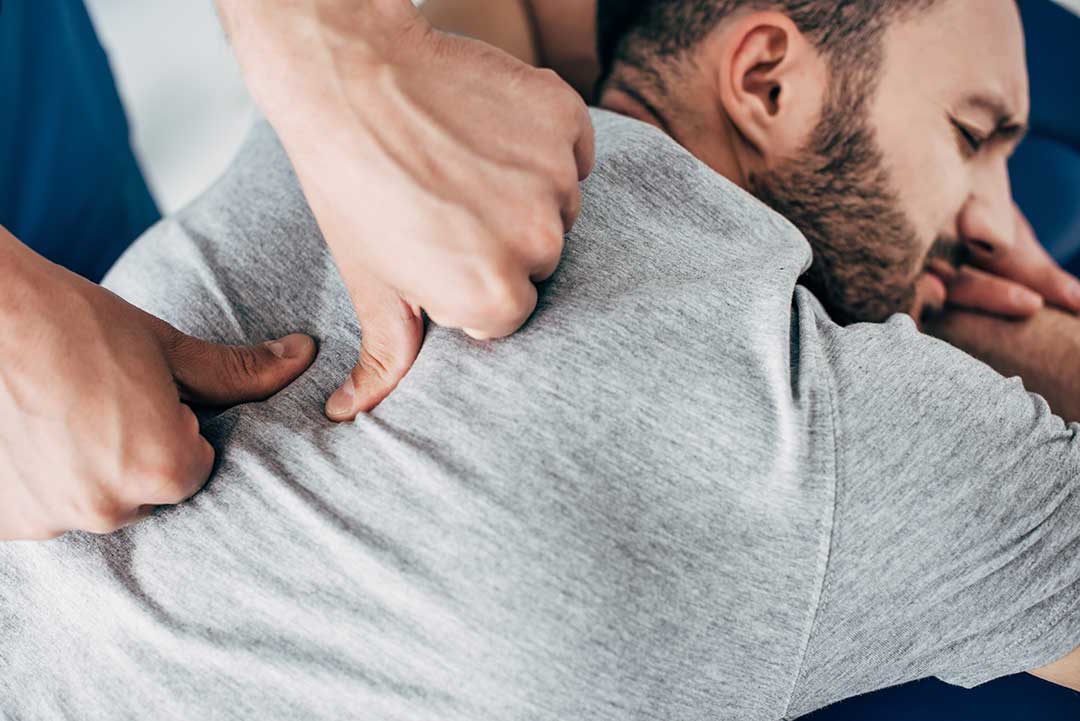
This information can be invaluable during medical visits and helps you notice subtle improvements from new self-care strategies.
Connect with the Mount Pleasant Community
Dealing with chronic pain can be isolating, but support from others makes a significant difference. In Mount Pleasant, you’ll find:
- Support groups that meet in person or virtually; check the Mount Pleasant Town Hall or local hospitals for listings.
- Social opportunities, like the farmers’ market or town fairs, that help you stay positive and engaged, even if you participate for just a short while.
- Volunteering or joining interest clubs through the library or senior center, providing a welcome distraction and sense of purpose.
Nutrition for Pain Management
Healthy eating can play a role in pain control, potentially reducing inflammation and promoting healing:
- Include local produce—think apples from Briarcliff or greens from the Pleasantville Farmers Market.
- Incorporate foods rich in omega-3s (like salmon or walnuts), lean protein, and plenty of vegetables.
- Stay hydrated with water or herbal teas, especially when out and about in Mount Pleasant’s parks or community events.
Speak with a local nutritionist or dietitian for personalized advice.
When to Seek Professional Help
Self-care is a cornerstone of managing chronic pain, but professional support is essential if:
- Pain is severe or worsening
- You experience new symptoms like numbness, weakness, or changes in bladder/bowel control
- Self-care isn't providing relief after several weeks
Local providers—chiropractors, physical therapists, and physicians—are familiar with the needs of Mount Pleasant residents and are ready to assist.
Final Thoughts
Managing chronic pain is a journey, and no single approach works for everyone. Incorporating self-care strategies that fit Mount Pleasant’s local lifestyle—staying active in nature, connecting with your community, and prioritizing rest—can make daily life more manageable and fulfilling. Partner with healthcare professionals and tap into the town’s resources for support along the way. Remember, even small changes can lead to significant improvements in how you feel each day.
