
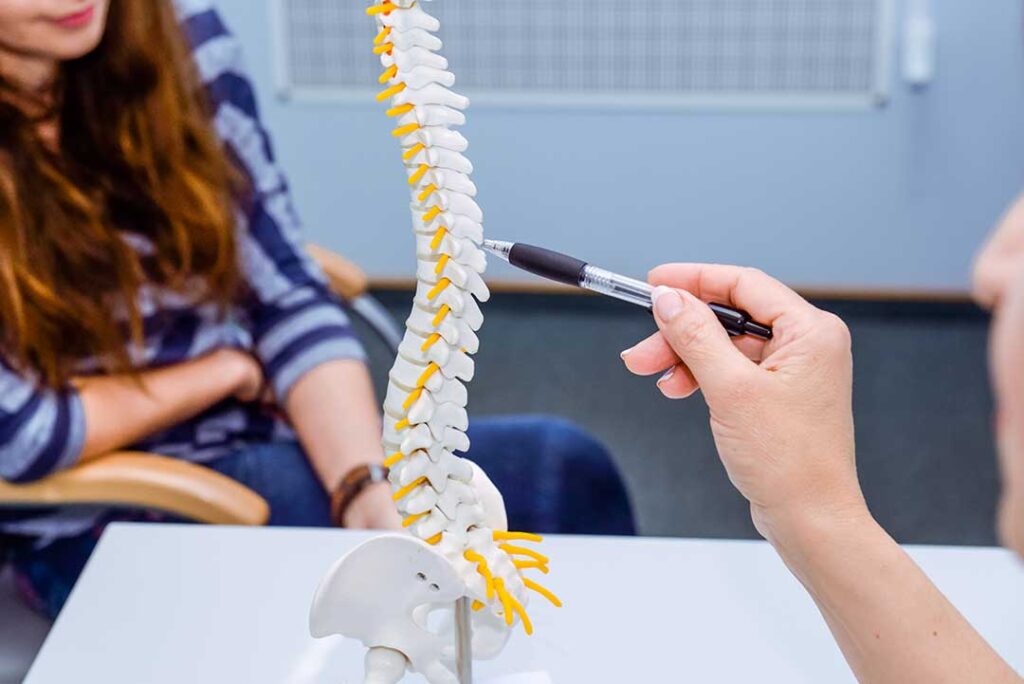
Living in Mount Pleasant, NY, means embracing a lifestyle that blends active outdoor experiences at Rockefeller State Park Preserve with bustling local events, commutes, and work-life demands. What you might not realize is that your daily activities—whether it’s enjoying a scenic hike or working at your desk—can play a pivotal role in more than just back and neck health. Increasingly, research and patient experience have demonstrated a subtle but significant connection between jaw pain and spinal health.
If you or someone you know in the Mount Pleasant community experiences persistent jaw discomfort, this article explores how problems in your spine could be contributing to your symptoms, and what you can do about it.
Understanding Jaw Pain: More Than Just TMJ
Jaw pain is most commonly attributed to temporomandibular joint disorder (TMJ or TMD), a condition that affects the hinge connecting your jawbone to your skull. Symptoms may include:
- Clicking or popping noises when you chew or open your mouth
- Difficulty or discomfort while chewing
- Facial pain or aches around your jaw, ears, or neck
- Recurring headaches
For many Mount Pleasant residents, jaw discomfort can hinder participation in community activities and even affect concentration at work or school.
The Spine-Jaw Connection: What Science Shows
The connection between jaw pain and spinal health may seem surprising, but it’s rooted in the body’s complex network of nerves and muscles.
How Is the Jaw Related to the Spine?
- The jaw, neck, and upper spine share innervation from the trigeminal and cervical nerves. Dysfunction in one area can lead to compensatory tension or pain in another.
- Misalignments or poor posture—common among those who work in offices in the Valhalla area or commute via the Metro-North—can cause muscle imbalances, putting strain on both the jaw and the upper cervical spine.
- Stress and grinding (bruxism) are common lifestyle issues that affect both jaw and spinal muscles, amplifying discomfort.
Typical Scenarios in Mount Pleasant: Real-Life Factors
The picturesque landscapes and active lifestyle in Mount Pleasant might reduce stress for some. However, daily routines here can also foster habits that trigger jaw pain and related spinal issues:
- Long drives on the Saw Mill River Parkway can promote poor neck posture, leading to cervical spine problems.
- Participation in local sports or outdoor recreation may occasionally result in minor injuries or strains that throw jaw and spinal alignment off balance.
- Desk-bound hours common in New York’s suburban workforce can slowly contribute to posture problems, compounding jaw tension and discomfort.
How Chiropractors Address Jaw and Spinal Health Together
Chiropractors trained in musculoskeletal health recognize the interplay between the spine and temporomandibular joint.
What Does a Chiropractic Evaluation Include?
- An assessment of both posture and jaw movement
- Spinal alignment analysis, especially in the cervical (neck) region
- Palpation of the jaw and related muscles to detect tension or irregular motion
Treatment May Involve:
- Gentle chiropractic adjustments to improve spine and neck alignment
- Myofascial release and stretching to decrease jaw muscle tension
- Lifestyle and ergonomic recommendations tailored for Mount Pleasant’s residents, like adjusting driving posture or workstation setup
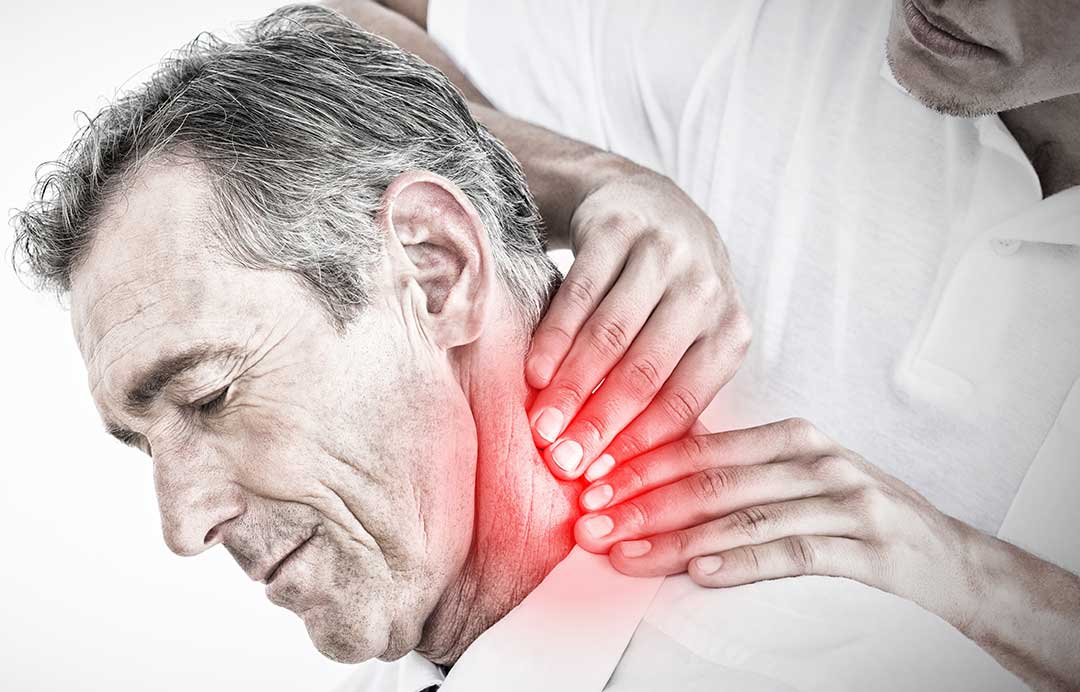
Can Improving Spinal Health Relieve Jaw Pain?
For many, the answer is yes. By restoring proper spinal alignment and reducing nerve interference, jaw symptoms often improve. Additionally:
- Improved neck posture can minimize tension transferred to the jaw muscles.
- Balancing muscle activity around the spine and jaw reduces compensatory pain.
- Supporting therapies—such as stress management, massage, or specific exercises—may enhance results.
Preventing Jaw and Spinal Pain While Enjoying Mount Pleasant
Prevention is as important as treatment. Here are some chiropractor-approved tips for locals:
- When working or studying, make sure your computer screen is at eye level and your chair supports good posture.
- Take breaks during long commutes to gently stretch your neck and jaw.
- Practice relaxation techniques to reduce bruxism and muscle clenching.
- Participate in local exercise classes or group walks to stay active and maintain musculoskeletal health.
When Should You See a Chiropractor?
If you notice symptoms such as jaw pain paired with neck stiffness, headaches, or upper back discomfort, a chiropractor can help determine whether spinal factors are involved. Early intervention may prevent chronic pain and reduce the impact on your daily life, allowing you to enjoy all that Mount Pleasant has to offer—pain free.
Final Thoughts
Jaw pain isn’t always just a dental concern. For many Mount Pleasant residents, the health of your spine may be playing a key role in your symptoms. Having a professional evaluate both areas can lead to more complete relief, improved mobility, and a healthier, more comfortable lifestyle in our vibrant community.
