
What Are the Most Common Signs You Might Need a Chiropractic Adjustment?
Certain signs and symptoms often indicate your body might benefit from a chiropractic assessment and potentially an adjustment. Residents in Mount Pleasant, NY may notice issues such as:
- Frequent headaches, especially tension or stress-related
- Ongoing neck stiffness, particularly after screen time or poor sleep posture
- Persistent or recurring lower back discomfort
- Reduced range of motion in the back, neck, or shoulders
- Regular joint or muscle pain not related to recent strenuous activity
These common issues are not exclusive to any single age group. In areas with frequent commuting or changing weather, like the lower Hudson Valley, residents may develop aches from prolonged sitting, shoveling snow, or outdoor activities during seasonal transitions.
How Can You Tell If Your Symptoms Are Related to Spinal Alignment?
Before jumping to conclusions, it’s helpful to understand how spinal misalignments (often called “subluxations”) may contribute to daily discomfort. If you experience:
- Stiffness or pain that is worse after inactivity (such as waking up in the morning)
- A feeling of imbalance or a noticeable tilt in posture
- Numbness, tingling, or radiating pain in the arms or legs
- Regularly needing to “crack” your own neck or back to feel relief
You might be experiencing effects of spinal misalignment. However, the same symptoms can be caused by muscle strain, arthritis, or more serious conditions. Residents who spend hours sitting at a desk or driving through the community’s winding roads are more likely to develop subtle postural changes over time.
Are Regular Aches Always a Sign You Need an Adjustment?
Not all discomfort requires a chiropractic adjustment. Muscle soreness after gardening, shoveling, or local hiking is expected and typically fades with rest and stretching. However, discomfort that persists for several days, returns frequently, or interferes with sleep and daily activities is a reason to look further.
Be cautious about assuming every ache needs an adjustment. Acute injuries, severe headaches, high fever, unexplained weight loss, or intense pain should be evaluated by a physician.
Which Local Lifestyle Factors Affect Spinal Health?
Residents of Mount Pleasant often engage in seasonal yard care, travel on uneven sidewalks, or participate in recreational activities that can trigger back strain. Some overlooked contributors to spinal issues in the area include:
- Carrying heavy winter gear or groceries up stairs
- Working remotely without ergonomic office setups
- Long commutes on congested roads, leading to poor sitting posture
- Using recreational facilities or local trails without warming up
- Shoveling snow or raking leaves with improper technique

These routine activities can stress joints and tissues and highlight the need to pay attention to spinal comfort.
What Does “Needing an Adjustment” Actually Mean?
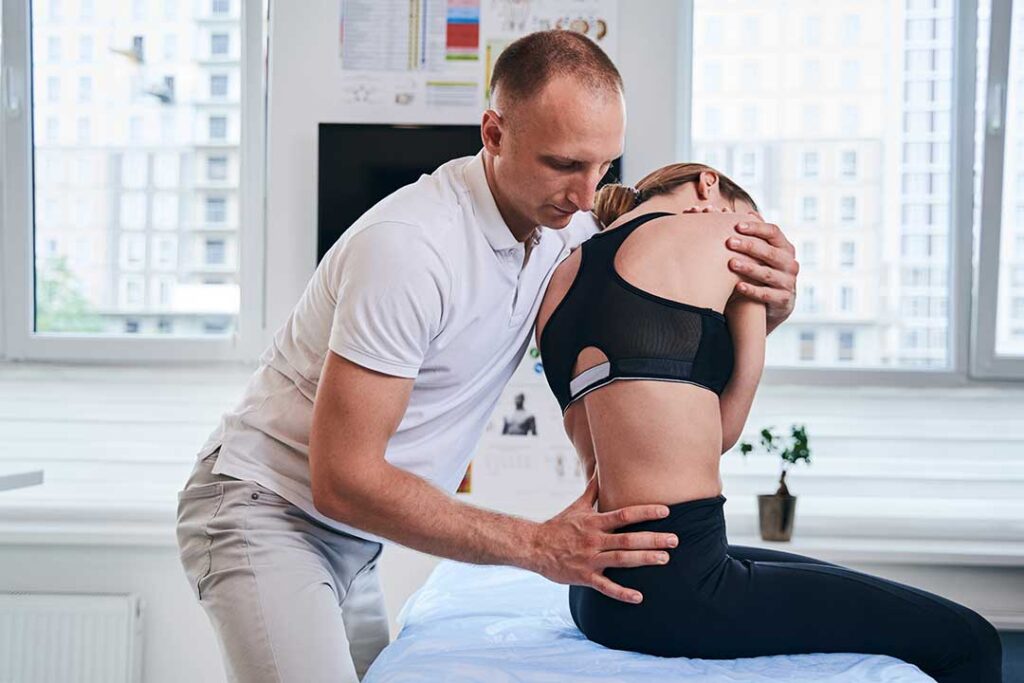
The phrase often refers to addressing joint misalignments that restrict motion or cause discomfort. Chiropractors use hands-on techniques to restore normal movement and relieve pressure. However, not everyone who feels “off” necessarily requires this intervention. Some cases respond better to stretching, exercise modifications, or posture changes.
Recognizing when a joint feels “locked up,” movement is accompanied by clicking, or one side of the body consistently feels tighter than the other are all practical cues that an adjustment might be considered, especially if pain limits activity.
How Do You Know If At-Home Care Isn’t Enough?
If typical self-care like rest, stretching, heat/ice, or over-the-counter pain relief doesn’t resolve symptoms within a week, this may suggest underlying joint or spinal issues. Also watch for:
- Discomfort returning as soon as usual activities are resumed
- Inability to get comfortable in any position
- Pain that disrupts sleep or daily routines
- Trouble with balance while walking local paths or stairs
Tracking your symptoms in a daily journal for a few days can help residents better recognize persistent patterns.
Are There Misconceptions About Chiropractic Adjustments Locally?
Many people in the community may believe that only those with severe injuries or longstanding pain ever need chiropractic care. In reality, minor misalignments or stiffness can affect people with relatively active, healthy lifestyles. Youth sports participants and older residents alike may overlook subtle warning signs. Another common myth is that once you receive an adjustment, you will always have to continue regular visits. The actual need varies by individual and is determined by response to care and lifestyle factors.
What Should Local Residents Watch Out for Seasonally?
With cold winters and humid summers, the city’s residents often notice increased back stiffness in colder months, especially after shoveling snow or being less active. Likewise, sudden increases in yard work or participation in outdoor recreation during spring and fall can strain joints and trigger recurring discomfort. Wearing supportive shoes for walking and being attentive to changes in posture when weather causes slippery or uneven conditions may reduce the likelihood of issues that lead people to seek chiropractic adjustments.
